
The psychology of risk understanding the mind behind gambling choices
The Nature of Risk in Gambling
Understanding the psychology behind gambling starts with the concept of risk. Risk is an inherent part of gambling that attracts players, offering the possibility of rewards alongside potential losses. This duality appeals to individuals’ desires for excitement and the thrill of uncertainty. Many gamblers find themselves drawn to the unpredictability of games, which can create a sense of adventure that daily life often lacks. In this context, utilizing platforms such as neosurf casino deposit methods can enhance the experience while ensuring security. This psychological engagement with risk fuels a cycle that can lead to repeated gambling behaviors.
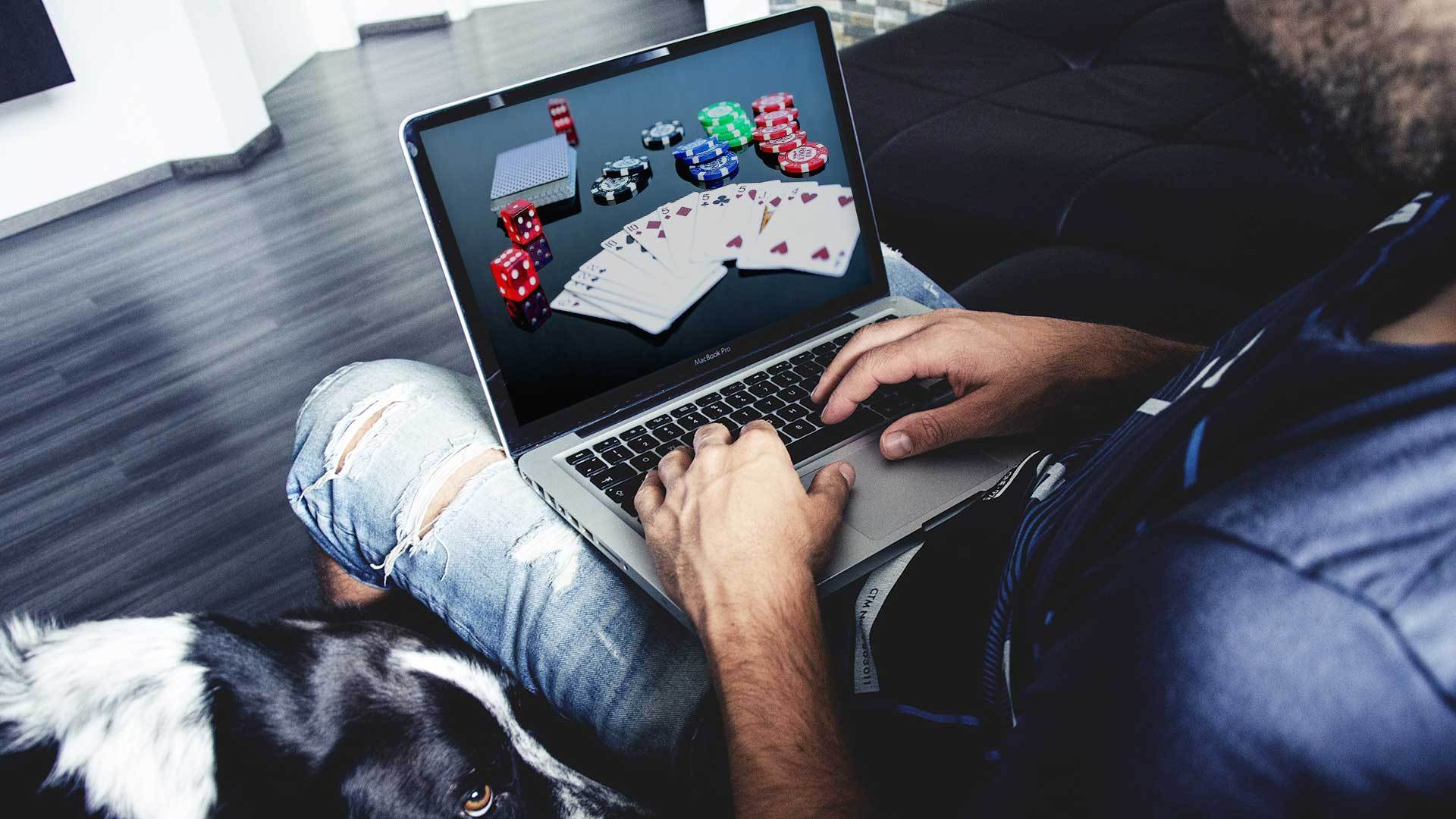
Moreover, the perception of risk varies among individuals. While some see gambling as purely a chance-based activity, others approach it with strategic considerations. This difference is influenced by personal experiences, risk tolerance, and cognitive biases. For instance, individuals with a higher risk tolerance may gamble more aggressively, while those who are risk-averse might play conservatively. Understanding these variations is crucial for recognizing how different psychological profiles can impact gambling decisions.
Additionally, the environment plays a significant role in shaping risk perception. Casinos and online platforms are designed to heighten excitement, from vibrant colors to engaging sounds, which can manipulate a player’s sense of risk. The ambiance can blur the lines between reality and illusion, making risks feel less tangible. This psychological manipulation encourages players to make impulsive choices, often leading to more significant stakes than they initially planned.
Cognitive Biases and Decision-Making
Cognitive biases significantly influence gambling decisions, often leading to irrational behaviors. One prevalent bias is the illusion of control, where gamblers believe they can influence the outcome of random events. For instance, a player might think that their betting strategy or choice of numbers will sway the odds in their favor. This misguided belief can lead to repeated gambling attempts despite mounting losses, highlighting how cognitive distortions can cloud judgment and decision-making.
Another common cognitive bias is the gambler’s fallacy, where individuals mistakenly believe that past outcomes affect future probabilities. For example, a player may assume that a certain number is «due» to win after a series of losses. This fallacy can cause players to chase their losses or make increasingly risky bets in the hope of a turnaround. Such biases illustrate the complexity of human decision-making in gambling contexts, showing how psychological factors can override rational thought.
Emotional factors also contribute to decision-making in gambling. For many, the rush of winning can be intoxicating, creating a feedback loop that encourages continued play. On the other hand, losses can trigger feelings of frustration or desperation, leading players to take undue risks in hopes of recovering their losses. Understanding the interplay of emotion and cognition is essential for grasping the psychological landscape of gambling behavior and its potential consequences.
The Role of Social Influence
Social factors play a significant role in gambling behaviors, with peer pressure and societal norms shaping individuals’ choices. People often gamble in social settings, where the collective enthusiasm can amplify personal desire to participate. This social aspect can lead to increased risk-taking as individuals seek approval or validation from their peers. The need for belonging and acceptance can overshadow rational decision-making, causing players to engage in behaviors they might otherwise avoid.
Furthermore, the portrayal of gambling in popular culture can affect perceptions and behaviors. Movies, television shows, and advertisements often glamorize gambling, presenting it as an exciting and rewarding activity. This media representation can contribute to societal acceptance of gambling, further normalizing risky behaviors. The more individuals see gambling as a socially acceptable pastime, the more likely they are to engage in it, often without considering the potential repercussions.
Additionally, familial and cultural backgrounds can impact gambling behaviors. In communities where gambling is prevalent or accepted, individuals may be more inclined to participate without fully understanding the associated risks. This cultural lens can obscure the reality of gambling addiction and financial consequences, fostering an environment where irresponsible gambling choices are overlooked. Recognizing these social influences is crucial for developing responsible gambling strategies and promoting healthier gaming practices.
Strategies for Responsible Gambling
As the psychology of gambling reveals intricate motivations and biases, understanding how to engage in responsible gambling becomes essential. One of the key strategies is setting strict limits on both time and money spent gambling. By pre-determining a budget and sticking to it, players can mitigate the risks associated with impulsive gambling decisions. This self-imposed regulation empowers individuals to enjoy gambling as a form of entertainment rather than a financial strategy.
Another effective strategy is to cultivate awareness about cognitive biases. By recognizing the illusions of control or the gambler’s fallacy, players can better navigate their choices. Educational programs aimed at increasing awareness of these biases can be beneficial, encouraging more rational decision-making. Furthermore, taking breaks and reflecting on past gambling experiences can help players maintain perspective and avoid emotional pitfalls.
Ultimately, seeking support from responsible gambling organizations can provide valuable resources and tools for individuals struggling with gambling behaviors. These organizations often offer counseling, educational materials, and community support that can help individuals make informed choices. Emphasizing the importance of mental health and well-being within the context of gambling can promote a healthier approach to gaming.

Neosurf Casino Australia: A Safe Gambling Environment
Neosurf Casino Australia stands out as a platform designed with player safety and convenience in mind. By utilizing prepaid vouchers, players can fund their accounts without disclosing sensitive banking information, allowing for a more secure gambling experience. This feature not only protects users’ financial data but also promotes responsible gaming by limiting the amount spent at any given time. The convenience of quick deposit options enhances the overall experience, making it easy for players to engage responsibly.
The site features a diverse array of gaming options, from pokies to table games, catering to various player preferences. By offering enticing bonuses and promotions, Neosurf Casino encourages players to explore different games without feeling pressured to gamble excessively. The user-friendly interface further enhances the experience, allowing players to focus on enjoyment rather than the technicalities of the platform.
In summary, Neosurf Casino Australia exemplifies a commitment to responsible gambling while providing an entertaining environment for players. By prioritizing security and offering a broad range of games, the platform promotes a balanced approach to gambling that aligns with the psychological understanding of risk and decision-making. Players are encouraged to enjoy their gaming experience responsibly, reinforcing the importance of awareness and moderation in the realm of gambling.